Underfoot, Overlooked: Seven UK Rooms Where the Floor Does the Talking
Photo: Groupe Hotelo, CC BY-SA 4.0, via Wikimedia Commons
We spend a lot of time judging hotel rooms by what is at eye level: the view, the artwork, the lighting, the bed. Fair enough. But the first real contact you have with a room is with your feet. Before you have unpacked, before you have opened the window, before you have tested the mattress with the flat of your hand, you are standing on something. And that something tells you an awful lot.
A cold, hard floor makes you reach for shoes. A squeaky floorboard makes you smile. A deep rug makes you linger. Underfloor warmth makes you pad about in bare feet like you own the place. At Magical Rooms, we have come to think of the floor as the quietest form of hospitality: the bit of the room that does not shout, but which you notice all weekend. Here are seven UK stays where the floor has clearly been considered as carefully as the bed.
The Zetter Townhouse, Clerkenwell: bare boards with a past
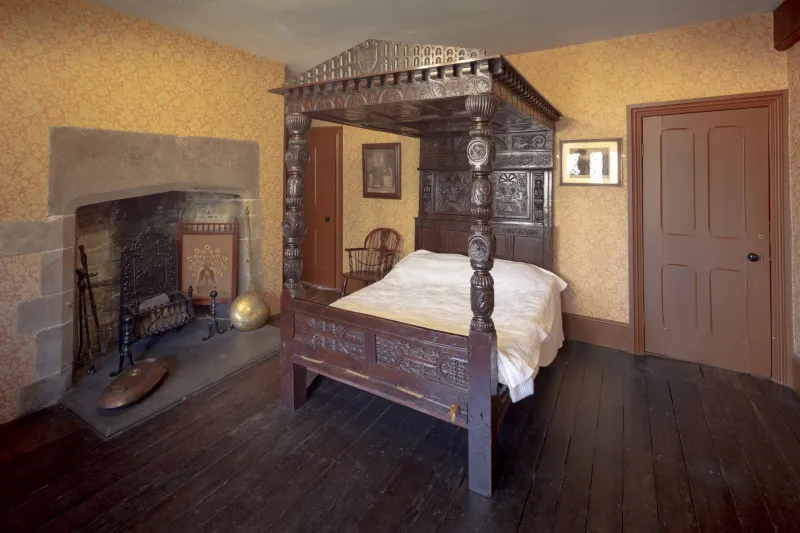
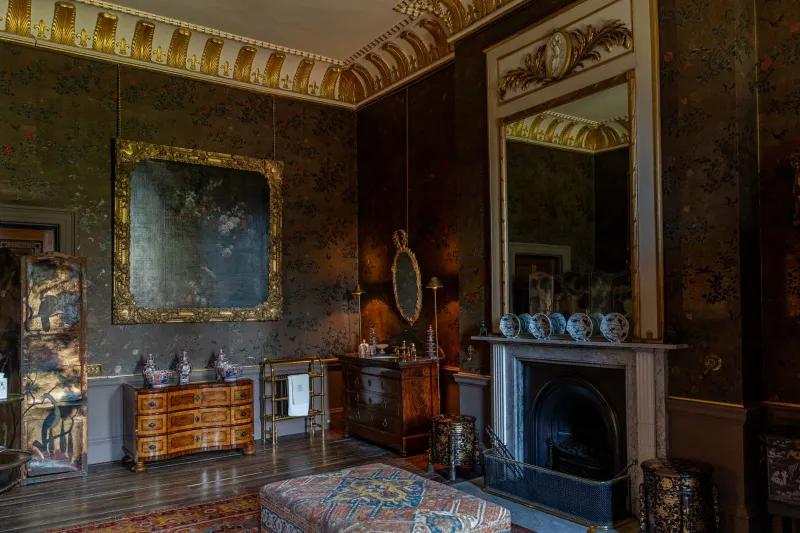
There is something wonderfully unbothered about a townhouse room that trusts its old floorboards. At the Zetter Townhouse in Clerkenwell, the floors feel like part of the building's character rather than something to be hidden under a wall-to-wall carpet. Boards, rugs, a bit of creak in the right places. The effect is less hotel, more eccentric friend with excellent taste and a spare bedroom in central London.
Bare boards ask you to slow down. You notice your own footsteps. You put a rug where you need one and leave the rest alone. For a romantic weekend, that small bit of texture is worth more than another cushion. It makes the room feel lived in rather than staged, and it gives you permission to pad about in a dressing gown without pretending you are in a spa.
The Wild Rabbit, Kingham: stone below, wool above
In the Cotswolds, the floor often changes as you move through a building: flagstones downstairs, oak boards upstairs, wool rugs where the boards are at their most beautiful. The Wild Rabbit at Kingham has that layered, old-house logic. You can feel the difference between the public rooms and the bedrooms, between the sturdy ground floor and the softer upper floors.
That change of surface is its own kind of narrative. Downstairs, you are in the company of boots and bar stools. Upstairs, it is socks and slippers. The floor slows the pace as you climb. It is a small thing, but romantic weekends are made of small things: the bit where you kick off your shoes, the bit where the rug meets your feet, the bit where you forget to put your shoes back on for dinner.
The Fife Arms, Braemar: tartan underfoot, adventure overhead
The Fife Arms is not a shy hotel. It is full of art, antiques, tartan and theatre, and the floors are part of the performance. Timber boards, layered rugs and a general sense that you should be holding a glass of something while wearing thick socks. In winter, especially, the floor is a reminder that you are in Scotland: practical, warm, a little bit grand and entirely comfortable.
This is not a room where bare feet are an afterthought. It is a room where the floor invites you to stay in. You put another log on, you find the rug beside the bed, you decide that the second cup of tea is a better idea than another walk. The floor does not just set the tone; it sets the pace.
The Pig at Combe, Devon: wonky flags and old oak
Old farmhouse floors are never quite level, and that is part of the charm. At The Pig at Combe, the floors feel as though they have been walked on for centuries, because they have. Flagstones, old oak, the odd rug doing noble work in a draughty corner. You can tell a lot about a place by whether it trusts its old floor, and this one does.
Sheepskin beside the bed, a rug by the bath, a floor that is honest about its age: it all adds up to a room that feels generous rather than polished. The romantic weekend version of this is simple. You arrive, you take off your boots, you walk around in socks, and you stop worrying about whether you are doing the weekend properly. The floor has already decided for you.
The Harper, Norfolk: pale boards and a barn's calm
Not every floor has to be ancient or dramatic. The Harper in North Norfolk takes the barn-conversion approach and makes it feel calm rather than chilly. Pale wood, woven runners, a bit of texture where it matters. The floor is quiet, not showy. It lets the light and the space do the talking, and it makes the room feel clean-lined without tipping into clinical.
That is a harder balancing act than it sounds. A bare floor can feel mean if the room is not generous elsewhere. Here, the warmth comes from the whole picture: the rugs, the lighting, the bed, the sense that someone has thought about how you will move through the room. You can walk from bed to window to bathroom without your feet complaining. That is not a small luxury.
The Gallivant, Camber: sand-friendly and soft underfoot
A coastal room has to cope with sand, damp coats and the general business of coming back from a walk. The Gallivant at Camber understands this. The floors are the kind that expect a bit of life: scrubbed boards, sisal, rugs that can take a bit of grit. Nothing precious. Nothing that makes you feel guilty for bringing the beach in with you.
That practicality is romantic in its own way. You do not have to tiptoe around a room that is pretending to be a show home. You can come in from the wind, peel off a layer, and pad about in bare feet or thick socks. A pair of waiting slippers helps, but the floor is doing most of the work. It says: this is a place to exhale.
The Newt in Somerset: oak, stone and the luxury of warmth
At The Newt in Somerset, the floors are part of the larger pleasure of the place: oak boards, stone flags, gardens pressing up against the windows, and a general sense that everything has been considered. The best bit, especially in cooler months, is the warmth. Underfloor heating in a bathroom is one of those details you do not know you need until you feel it underfoot on a November morning.
Warmth changes how you use a room. You linger. You take the second bath. You stand at the window a bit longer. You forget to put your shoes on. For a romantic weekend, that is the whole game: a room that makes it easy to stay put. The Newt does that with floors that feel solid, clean and quietly generous.
The floor is not a detail
You can book a room for the bed and the view, but you will remember how it felt to walk around in it. The floor is the surface you touch without thinking, and that is exactly why it matters. A good floor makes a room feel loved. A bad one makes even a beautiful room feel like a set.
So next time you are choosing a weekend away, look at the photographs a little more closely. Look at what is underfoot. Bare boards, deep rugs, old flags, warm tiles, a pair of slippers by the door: these are the small signals that someone has thought about how the room will actually be used. And if they have thought about the floor, chances are they have thought about the rest of it too.