Sit Down, Stay Longer: The UK Rooms That Pass the Armchair Test
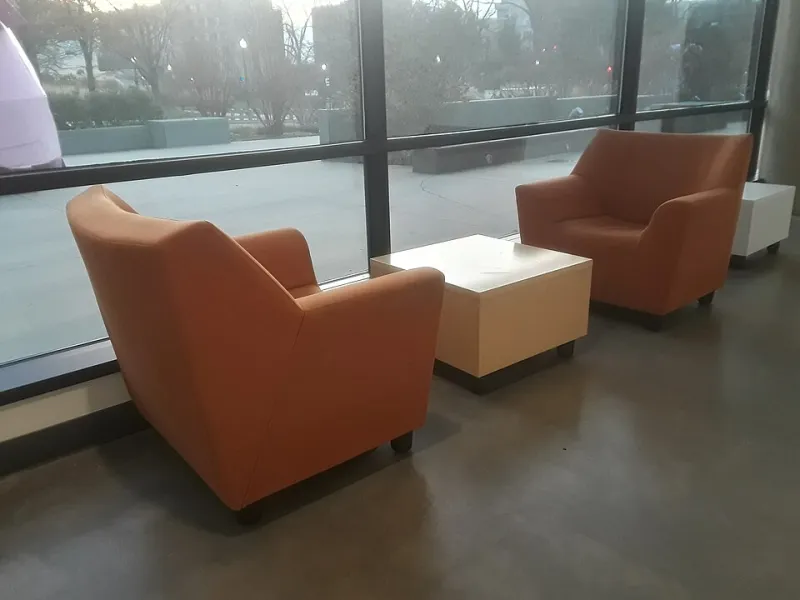
Photo: Ser Amantio di Nicolao, CC0, via Wikimedia Commons
There is a moment, usually just after dinner, when a romantic weekend reveals what it is really made of. You are back in the room. The bed is handsome. The bath is deep. The lighting has been dimmed to something flattering. And then you look around for somewhere to sit — properly sit, side by side or turned towards each other — and find one decorative chair in the corner, a stool masquerading as furniture and a television dominating the wall.
The weekend has not failed, exactly. But it has lost an hour or two of the good stuff: the aimless conversation, the nightcap, the planning of tomorrow that never quite happens. Two chairs by the window are not a luxury. They are the small detail that separates a romantic room from a merely nice one.
Why one chair is a warning sign
A single chair is a room designed for one person plus a guest. It says: read here, check your phone here, wait for your partner to finish getting ready here. It is not a conversation. It is a holding pattern.
A two-seater sofa can be worse. It looks generous in the photographs, but in practice it often means two people sitting in a row, staring at the same wall, unable to turn towards each other without something clicking. A pair of armchairs, angled slightly inward with a small table between them, is a different proposition altogether. It invites you to stay up. It makes a nightcap feel like an event rather than a delay before bed.
This is not about interior design snobbery. A room can have scuffed floorboards, a slightly wonky wardrobe and a bathroom that is more practical than pretty, and still pass the test beautifully. What matters is that someone has thought about what two people might actually do in the room apart from sleep.
What two chairs actually do
They slow the weekend down. They give you somewhere to put a glass, a book, a plate of biscuits from the deli. They make the room feel inhabited rather than staged. And they create a natural pause — the bit where you sit down for five minutes and end up talking for two hours.
In a good room, the chairs are not facing the television. They are facing the window, the fire, the view or each other. There is a lamp close enough to read by and a table wide enough for two cups. The chairs are comfortable enough to sink into but upright enough to get out of without a scene. It sounds obvious. It is surprisingly rare.
Seven rooms that pass the test
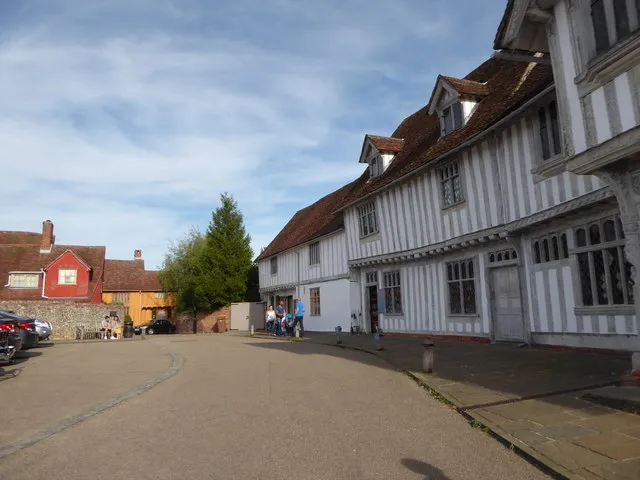
The Swan at Lavenham, Suffolk. A proper coaching inn with beams, wonky floors and a sense of history that never tips into theme park. In the best rooms, two wingback chairs are pulled up to the leaded window, angled towards each other rather than the bed. It is the kind of arrangement that makes you put your bags down and sit for ten minutes before you have even unpacked.
The Old Chapel, Dolgellau, Wales. A chapel conversion can easily feel like a beautiful shell with nowhere to land. This one gets the balance right: tall arched windows, pale walls and a pair of low armchairs set beneath the glass, close enough for a quiet conversation and far enough from the bed to feel like a separate zone. Bring a bottle and let the evening stretch.
The Lodge at Yarrow Valley, Scottish Borders. Shooting-lodge style without the stuffed trophies and chilly formality. Think thick walls, dark wood, a fire in the main room and bedrooms where two deep chairs sit either side of a small round table. It is the sort of place where you come back muddy, shower, and then sit down properly — which is exactly the point.
The Wheatsheaf at Baslow, Derbyshire. A Peak District inn that understands a good room is not just a bed above a pub. Several rooms have two tub chairs by the window, a little table and a lamp that actually works. After a day on the hills, that pair of chairs is worth more than any fancy spa downstairs.
The Salutation, Sandwich, Kent. A townhouse stay with a garden and a quietly grown-up feel. The best bedrooms have a seating nook near the window — two chairs, a side table, no television shouting for attention. It makes a short break feel longer, especially if you have come back from a windy walk along the coast.
The Bath Arms at Horningsham, Wiltshire. A country pub with rooms that avoids the usual pub-bedroom compromise. In the characterful rooms, you get two proper chairs rather than one apologetic corner seat, positioned so you can put your feet up and argue gently about what to do tomorrow. The bar is downstairs. The conversation is upstairs.
The Felin Fach Griffin, Brecon Beacons. A relaxed inn with a strong food reputation, but the rooms deserve attention too. The seating is not an afterthought: two chairs, a small table and enough space to turn them towards the window or the fire. It is the kind of room where you book dinner, then wish you had left more time before it.
How to spot a two-chair room when booking
Start with the photographs, but read them suspiciously. A single armchair styled with a throw and a magazine is not a seating area. A two-seater sofa in a narrow room may be less useful than it looks. Look for two distinct chairs, ideally with a small table between them and a lamp nearby. Check whether they are facing the window, the fire or each other — not just lined up against a wall.
Read the room description carefully. “Seating area” can mean almost anything. “Two armchairs” is better. “Armchair” singular is a warning. If the room is described as having a “reading corner”, ask what is in it. And if you are booking directly, it is perfectly reasonable to ask whether the room has two proper chairs and where they are placed. Hotels that understand their own rooms will answer without hesitation.
The small detail that is not small
Romantic weekends are made of small decisions: the extra night, the late checkout, the bottle left chilling. Two chairs by the window are part of that same logic. They do not guarantee a good weekend, but they make one more likely. They tell you the room was designed for two people to sit up late talking, not just to sleep and leave.
So next time you are choosing a room, look past the four-poster. Look for the pair of chairs. If they are there, angled towards each other with a table between them, you have probably found somewhere worth staying a little longer.